Ir al contenido
¿Qué le viene a la mente cuando oye la palabra "empresa"? Es posible que pienses en un puesto agrícola local, una tienda de comestibles, un banco o una gran empresa tecnológica como Facebook o WhatsApp.
Una empresaes cualquier organización o persona que hace algo a cambio de dinero u otro bien.
Las empresas pueden:
- fabricar, comprar o vender bienes (como una empresa que fabrica coches)
- prestar servicios (como una empresa de servicios de telefonía móvil).
Hay muchos jóvenes que han creado su propia empresa. Por ejemplo, Megan Yap, ex alumna de Technovation en Malasia, creó su propia empresa, Melli Studioque vende pegatinas por Internet.
Normalmente pensamos en un negocio como una forma de ganar dinero, que es su beneficio.
Las empresas pueden tener otros objetivos además de ganar dinero.
Objetivos sociales, como
- ayudar a alimentar a personas hambrientas
- proporcionar a los estudiantes una mejor educación.
Objetivos empresariales, como
- crear productos ecológicos
- ofrecer a los clientes el mejor producto posible
Todas las empresas tienen algo en común: necesitan alguna forma de ingresar dinero para poder seguir funcionando.
Hay tres tipos principales de empresas: con ánimo de lucro, sin ánimo de lucro y sociales.
EMPRESAS CON ÁNIMO DE LUCRO
Con ánimo de lucro Las empresas con ánimo de lucro se centran en obtener beneficios mediante la venta de bienes o servicios. También pueden tener objetivos, como crear los mejores productos posibles o prestar un excelente servicio al cliente. Pase el ratón por encima de cada logotipo para obtener más información.
EMPRESAS SIN ÁNIMO DE LUCRO
Las organizaciones sin ánimo de lucro existen para ayudar a resolver un problema o contribuir a una causa. Su objetivo no es ganar dinero. Pase el ratón por encima de cada logotipo para obtener más información.
EMPRESAS SOCIALES
Las empresas sociales se centran en hacer algo más que obtener beneficios, como ayudar a resolver un problema social. Utilizan parte de los beneficios que obtienen para lograr este objetivo. Pase el ratón por encima de cada logotipo para obtener más información.
No es necesario que tenga todas las respuestas hoy, pero es importante que siga pensando en ellas a medida que planifica su Lean Canvas. Siempre puede cambiar el tipo de empresa a medida que desarrolle la solución de su proyecto.
Parar y debatir
¿Qué modelo de negocio tiene sentido para su equipo?
Después de pensar en su modelo de negocio, es nhora de averiguar cómo va a ganar dinero su empresa.
Las organizaciones sin ánimo de lucro y las empresas sociales siguen necesitando ganar dinero para pagar todos sus gastos.
[Beneficio] = [Ingresos] - [Gastos de explotación].
[Beneficio]: el dinero que te queda después de pagar todos los gastos.
[Ingresos] - cuánto dinero gana su empresa
[Costos de operación]: cuánto cuesta gestionar su empresa.
ELEGIR UN MODELO DE INGRESOS
Para que una empresa obtenga beneficios, sus ingresos deben ser superiores a sus costes de explotación.
Para aplicaciones móviles y webexisten varias formas de obtener ingresos, que se describen a continuación. Ten en cuenta que puedes utilizar una combinación de estas opciones, como anuncios dentro de la aplicación y funciones de pago.
¿Y LAS ORGANIZACIONES SIN ÁNIMO DE LUCRO?
Si se trata de una organización sin ánimo de lucro, es posible que no tenga previsto vender nada. Sin embargo, seguirá necesitando dinero para desarrollar y mantener su producto. He aquí algunas formas de hacerlo.
INGRESOS
Todavía se puede ganar dinero a través de los diferentes modelos de ingresos enumerados anteriormente. La diferencia es que las organizaciones sin ánimo de lucro no se quedan con los beneficios, como ocurriría con una empresa social o una compañía con ánimo de lucro.
SUBVENCIONES
A veces, las organizaciones o los gobiernos conceden subvenciones para apoyar proyectos de bien social.
A subvención es dinero que alguien te da y que no tienes que devolver.
DONACIONES
A donación es similar a una subvención, pero suele concederla un particular. Las donaciones se hacen sin esperar nada a cambio.
COSTES DE EXPLOTACIÓN
Piense en cuánto dinero le va a costar gestionar su empresa. Los gastos que paga para mantener su empresa en funcionamiento se denominan gastos de operación. He aquí algunos ejemplos de gastos de operación:
- oficinas, ordenadores, internet
- salarios de los empleados
- tarifas de aplicaciones o tiendas en línea
- marketing y publicidad
CATEGORÍAS DE GASTOS
He aquí algunas categorías en las que se encuadran la mayoría de los costes de explotación.
Es posible que tengas que investigar para saber cuánto cuestan los distintos artículos.
Haga clic en cada categoría para obtener más información.
Hay que recortar gastos en la medida de lo posible.
Por ejemplo, puedes trabajar desde casa o encontrar una oficina libre. Busca formas de ahorrar dinero, sobre todo al empezar.
Cuando empiece a analizar sus gastos de funcionamiento, se dará cuenta de que puede necesitar algo de dinero para empezar. Esta financiación inicial, utilizada para poner en marcha su empresa, se denomina capital inicial.
Puede que necesites comprar ordenadores, contratar personal o alquilar una oficina. Todo esto cuesta dinero, y aún no estás ganando dinero con tu negocio. Entonces, ¿cómo conseguir ese dinero?
Una fuente potencial de capital inicial procede de los inversores.
Inversores son personas que te prestan dinero para ayudarte a poner en marcha tu empresa, esperando que o bien
- recuperar su dinero y mucho más
- o recibir otra cosa a cambio.
Aunque no es necesario disponer de capital inicial, puedes incluirlo en tu lean canvas, en Estructura de costes si lo deseas.
Consulte la información sobre el capital inicial en el Recursos adicionales adicionales.
MÉTRICAS CLAVE
Para comprobar el progreso de su estrategia de divulgación y sus planes financieros en marcha, puede hacer un seguimiento de sus objetivos mediante métricas.
Hay muchas métricas que puede medir y seguir. Para su Lean Canvas, 1-3 objetivos es suficiente en esta etapa.
Las métricas que mida dependerán de los objetivos que intente alcanzar. Algunos ejemplos son:
- ingresos por usuario
- acciones en redes sociales/referencias
- conversión de clientes gratuitos a clientes de pago
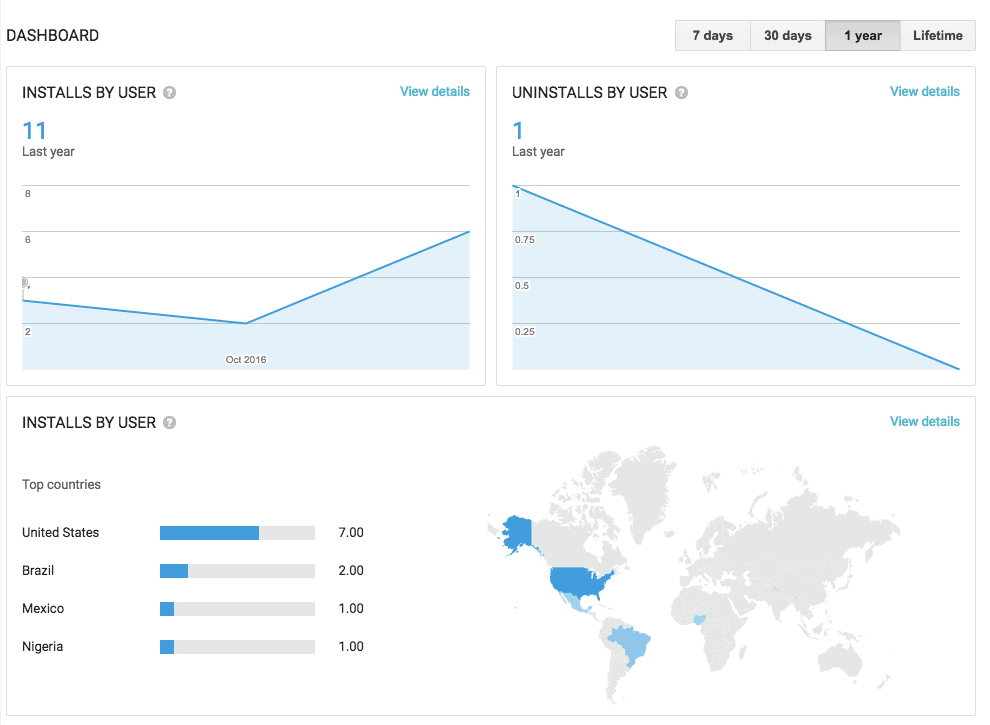
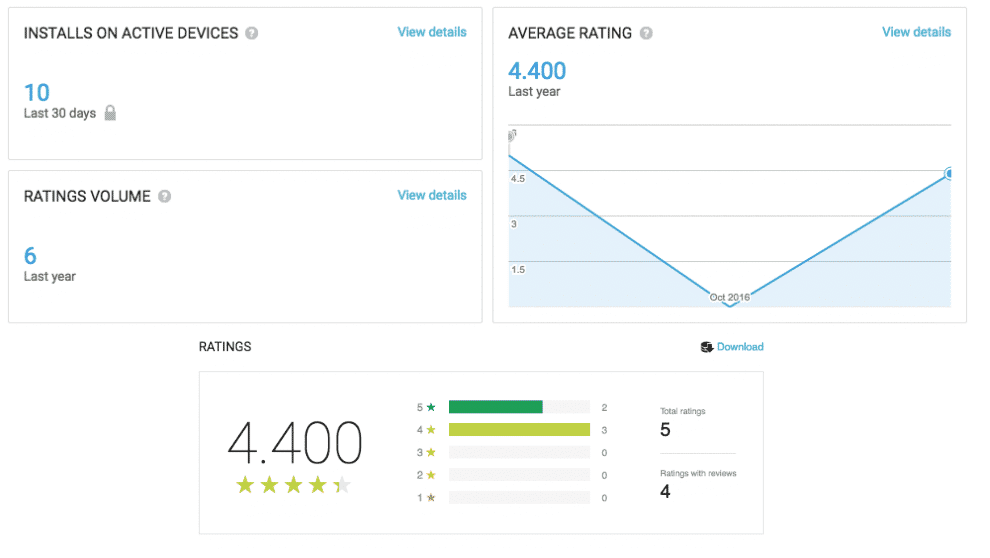
- descargas de aplicaciones
Por ejemplo, si decides subir tu aplicación a Google Play y Apple App Stores, puedes hacer un seguimiento de cuántas personas descargan tu aplicación.
Cada tienda tiene su propia forma de realizar el seguimiento de las descargas. A continuación se muestran algunas métricas visuales de Google Play Console.
Usted ha logrado mucho a medida que continúa llenando su Lienzo Lean. Considere estas preguntas:
REVISIÓN DE TÉRMINOS CLAVE
- Empresa - cualquier organización o persona que hace algo a cambio de dinero u otro bien
- Beneficios - dinero obtenido por la explotación de una empresa
- Sin ánimo de lucro - una empresa cuyo objetivo no es ganar dinero
- Empresa social - un negocio que se centra en hacer algo más que obtener beneficios, como ayudar a resolver un problema social
- Con ánimo de lucro - una empresa cuyo objetivo es ganar dinero
- Ingresos - cantidad total de dinero que gana su empresa
- Modelo de ingresos - un plan para ganar dinero
- Costes de explotación - los costes de funcionamiento de su empresa
- Beneficios - diferencia entre lo que se gana y lo que se gasta en una empresa
- Inversores - personas que te dan dinero para poner en marcha tu empresa y, a cambio, se llevan parte de los beneficios que obtengas.
- Capital inicial - la cantidad inicial de dinero que le ayuda a poner en marcha su empresa, normalmente concedido a través de distintos tipos de inversores
Capital inicial
Muchas empresas obtienen capital inicial pidiendo a otras personas que se lo presten. Estas personas se conocen como inversores.
Una vez que pones en marcha tu empresa, los inversores esperan recuperar su dinero y más, o recibir algo más a cambio.
Aquí tienes un par de formas diferentes de conseguir que la gente invierta o ponga su dinero en tu negocio. Pasa el ratón por encima de cada tarjeta para obtener más información.
Estamos actualizando esta página web para reflejar nuestra nueva orientación. La imagen de marca renovada y la misión ampliada de Technovation ya están disponibles en technovation.org. Tus recursos de « currículo educativo » y de los concursos seguirán estando aquí mismo.
Descubre las novedades