Skip to content
What comes to mind when you hear the word ‘business’? You might think of a local farm stand, a grocery store, a bank, or a big technology company like Facebook or WhatsApp.
A business is any organization or person that is doing something in exchange for money or another good.
Businesses can:
- make, buy, or sell goods (like a company that makes cars)
- provide services (such as a mobile phone service company).
There are many young people who have started their own businesses. For example, Megan Yap, a Technovation alumna from Malaysia, started her own business, Melli Studio, selling stickers online.
Usually we think of a business as a way to make money, which is your profit.
Businesses can have other goals besides making money.
Social goals, like
- helping feed hungry people
- providing students with a better education.
Business goals, like
- creating eco-friendly products
- providing customers with the best product possible
All business have one thing in common; they need some way to bring in money so that they can continue to operate.
There are three main types of businesses – for profit, non-profit, and social enterprise.
FOR PROFIT BUSINESSES
For-profit businesses focus on earning a profit by selling goods or services. They can also have goals, such as creating the best products possible or having great customer service. Hover over each logo to learn more.
NON-PROFIT BUSINESSES
Non-profits exist to help solve a problem or contribute to a cause. They do not have the goal of making money. Hover over each logo to learn more.
SOCIAL ENTERPRISE BUSINESSES
Social enterprises focus on doing something beyond making a profit, like helping solve a social issue. They use some of the profit they make to accomplish this goal. Hover over each logo to learn more.
You don’t need to have all the answers today but it is important to keep thinking of these as you plan for your Lean Canvas. You can always change the type of business as you further develop your project solution!
Stop and Discuss
What business model makes sense for your team?
After thinking about your business model, it’s now time to figure out how your business will make money.
Nonprofits and social enterprises still need to make money to pay for all of their expenses.
[Profit] = [Revenue] - [Operating Costs]
[Profit] – how much money you have left over once you have paid for all of your expenses
[Revenue] – how much money your business earns
[Operating Costs] – how much it costs to run your business
CHOOSING A REVENUE MODEL
For a business to make a profit, your revenue must be larger than your operating costs.
For mobile and web apps, there are several ways to earn revenue, outlined below. Keep in mind that you can use a combination of these options, like having in-app ads and paid features.
WHAT ABOUT NONPROFITS?
If you are a nonprofit, you might not plan on selling anything. However, you will still need money to develop and maintain your product. Here are ways that nonprofits can do that.
REVENUE
You can still earn money through the different revenue models listed previously. The difference is that nonprofits don’t keep the profit like you would with a social enterprise or a for-profit company.
GRANTS
Organizations or governments sometimes give grants to support projects for social good.
A grant is money that someone gives you that does not need to be repaid.
DONATIONS
A donation is similar to a grant but usually given by an individual. Donations are given with no expectation of anything in return.
OPERATING COSTS
Think about how much money it is going to cost to run your business. The expenses you pay to keep your business running are called operating costs. Here are some examples of operating costs:
- office spaces, computers, internet
- employee salaries
- app or online store fees
- marketing and advertising
EXPENSE CATEGORIES
Here are some categories that most operating costs will fall into.
You might need to do research to figure out how much different items cost!
Click on each category to learn more.
You do want to cut costs where you can.
For example, you might be able to work from your home, or find some free office space. Look for ways to save money, especially as you are starting out.
When you start to look at your operating costs, you will realize you might need some money to get started! This initial funding, used to launch your business, is called startup capital.
You might need to buy computers, hire people, or rent an office space. All of this costs money, and you aren’t making money from your business yet. So how do you get this money?
One potential source of startup capital comes from investors.
Investors are people who loan you money to help you get your business started, expecting to either
- get their money back plus more
- or receive something else in exchange.
While you don’t need to have startup capital, you can include it in your lean canvas, under Cost Structure if you choose.
Check out the information on startup capital in the Additional Resources section.
KEY METRICS
To check the progress of your outreach strategy and financial plans in action, you can track your goals using metrics.
There are many metrics you can measure and track. For your Lean Canvas, 1-3 goals is sufficient at this stage.
The metrics you measure will depend on the goals you are trying to achieve. Some examples are:
- revenue per user
- social media shares/referrals
- conversion from free to paying customers
- app downloads
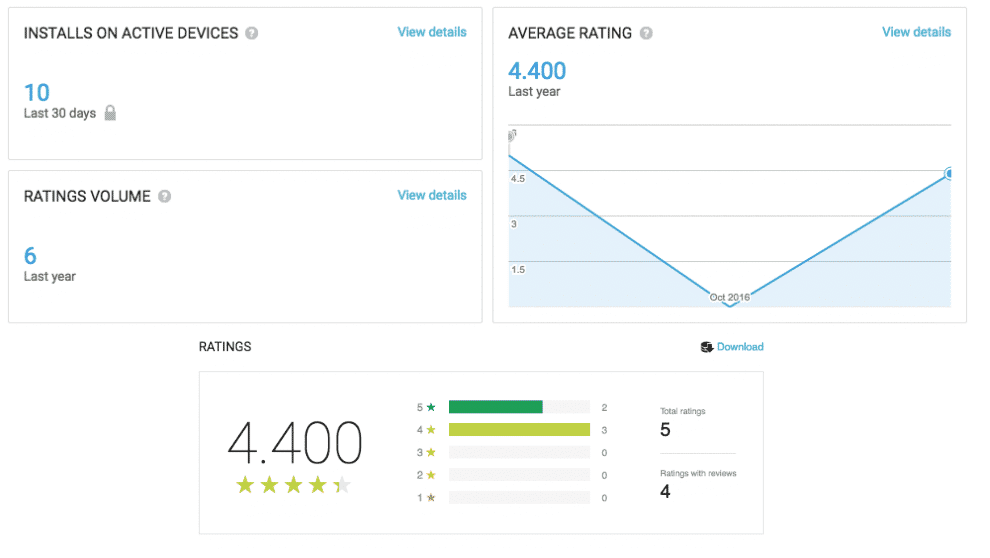
For example, if you choose to upload your app to the Google Play and Apple App Stores, you can track how many people download your app.
Each store has its own way to track downloads. Below are some visual metrics from the Google Play Console.
You have accomplished a lot as you continue to fill out your Lean Canvas. Consider these questions:
REVIEW OF KEY TERMS
- Business – any organization or person that is doing something in exchange for money or another good
- Profit – money made from operating a business
- Non-profit – a company that has a goal other than making money
- Social Enterprise – a business that focuses on doing something beyond making a profit, like helping solve a social issue
- For Profit – a company that has the goal to make money
- Revenue – total amount of money your business earns
- Revenue Model – a plan on how to make money
- Operating costs – the cost of running your business
- Profit – difference between amount earned and spent in a business
- Investors – people who give you money to start your business and in return, get some of the profit you earn
- Startup Capital – the initial amount of money that helps you start your business, typically given through different types of investors
Startup Capital
Many businesses get startup capital by asking people to loan it to them. These people are known as investors.
Once you get your business started, investors expect to either get their money back plus more, or receive something else in exchange.
Here are a couple of different ways to get people to invest in, or put their money into your business. Hover over each card to learn more.
We're updating this site to reflect our new direction. Technovation's refreshed brand and broadened mission are live at technovation.org. Your curriculum and competition resources stay right here.
See what's new