JUNIOR CATEGORÍA ¡SÓLO!
- Conozca las formas de llegar a los usuarios potenciales de su aplicación
- Haz un plan para que más personas utilicen tu aplicación a través de diferentes canales
Estas son las actividades para esta lección:
USUARIOS
Ya ha decidido el problema que va a resolver y lo más probable es que tenga una solución propuesta. Centrémonos ahora en sus usuarios.
Puedes crear un producto increíble que resuelva un problema realmente importante, pero tu negocio no tendrá éxito si nadie conoce o utiliza tu producto.
Ya sabes quiénes son tus usuarios gracias a su trabajo de investigación de mercado de la Unidad 3.
En esta lección, crearás un plan para repetible, medibles repetibles y medibles para hacer llegar su idea a los usuarios.

ADOPTANTES TEMPRANOS
Los early adopters son aquellas personas que ya están buscando soluciones al problema que usted está resolviendo. Estarían más dispuestos a probar productos nuevos y no probados. También suelen estar dispuestos a dar su opinión a medida que se desarrolla el proyecto. Los primeros usuarios son su primer objetivo para conseguir que la gente utilice su producto y para que se corra la voz.
Hay que empezar con la pregunta ¿Quién necesita esto ahora y dónde puedo encontrarlo?".
He aquí algunas estrategias eficaces para identificar y llegar a los primeros adoptantes.
Alcance directo

No hay nada más eficaz con los primeros usuarios que ponerse directamente en contacto con ellos y explicarles lo que puede ofrecerles su solución.
Puedes ponerte en contacto con ellos por correo electrónico, teléfono o en persona. Los pioneros buscan activamente soluciones, así que deberían estar dispuestos a escuchar tu Presentación.
De boca en boca
El marketing boca a boca suele ser la mejor forma de conseguir que la gente pruebe tu producto.
El 92% de los consumidores encuestados por Nielsen creen más en sus amigos y familiares que en cualquier tipo de publicidad.
(Fuente: https://blog.hubspot.com/agency/how-online-word-of-mouth-marketing-is-changing)
Y primeros usuarios suelen influir para que otras personas prueben el producto.
Primeros pasos
- Utiliza a tus amigos y familiares para correr la voz.
- Anímales a hablar de tu aplicación.
- Utilice sus contactos locales para ayudar a identificar a los primeros adoptantes.
- Si conoces a un personaje importante o a una persona influyente, pídele que hable en nombre de tu aplicación.

Redes sociales
Las redes sociales son un medio estupendo para encontrar a los primeros usuarios y comunicarse con ellos.
A menudo, las personas que se enfrentan a un problema concreto lo publican en las redes sociales. También pueden formar grupos en las redes sociales para debatir los problemas.
Primeros pasos
- Busca grupos de TikTok, Instagram o Facebook sobre el problema que estás resolviendo.
- Pide unirte al grupo.
- Publica un post sobre tu proyecto y pregunta a quién podría interesarle probarlo y dar su opinión.
- Otra opción es publicar sobre su solución y qué problema resuelve.
- Pide a la gente que comparta tu post con sus redes.
Colaboración con organizaciones
Si aún no lo has hecho, busca organizaciones en tu comunidad que estén intentando resolver el mismo problema que tu proyecto. Lo más probable es que la organización tenga miembros o clientes con los que trabajan que estarían dispuestos a probar tu aplicación. También pueden ofrecerte su opinión durante el desarrollo.
Primeros pasos
- Haz una lista de organizaciones o grupos de tu comunidad o región que estén abordando el mismo problema que tu equipo.
- Envía un correo electrónico o llama por teléfono a cada organización.
- incluye una breve descripción de tu proyecto.
- pídeles que colaboren con vosotras para resolver juntos el problema.
- Si no responden al correo electrónico, intenta llamarles por teléfono para hablar directamente con una persona de la organización.

MÉTRICAS CLAVE
Para comprobar el progreso de su estrategia de divulgación en acción, puede realizar un seguimiento de sus objetivos mediante métricas.
Hay muchas métricas que puede medir y seguir. De 1 a 3 objetivos es suficiente en esta fase.
Las métricas que mida dependerán de los objetivos que intente alcanzar. Algunos ejemplos son:
- acciones en redes sociales/referencias
- número de probadores beta
- descargas de aplicaciones
Por ejemplo, si decides subir tu aplicación a Google Play y Apple App Stores, puedes hacer un seguimiento de cuántas personas descargan tu aplicación.
Cada tienda tiene su propia forma de rastrear las descargas.
Ejemplo: Métricas de Google Play
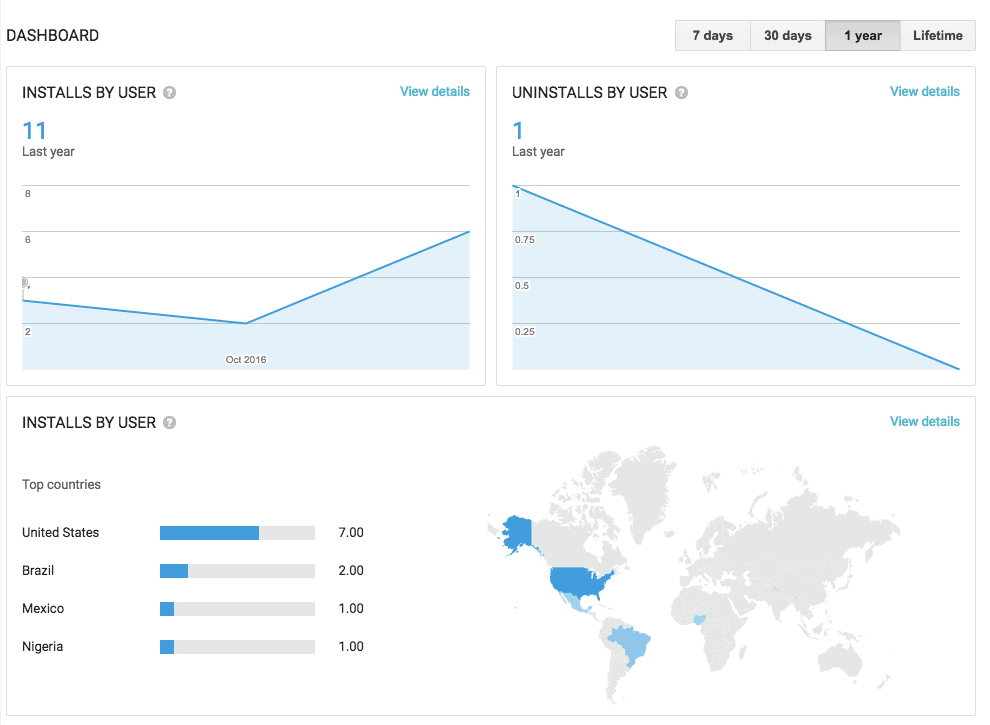
Esta es una vista de la consola para desarrolladores de Google Play. Puedes realizar un seguimiento de:
- cuántos usuarios han instalado tu aplicación
- cuántos la desinstalaron
- países en los que se descarga la aplicación
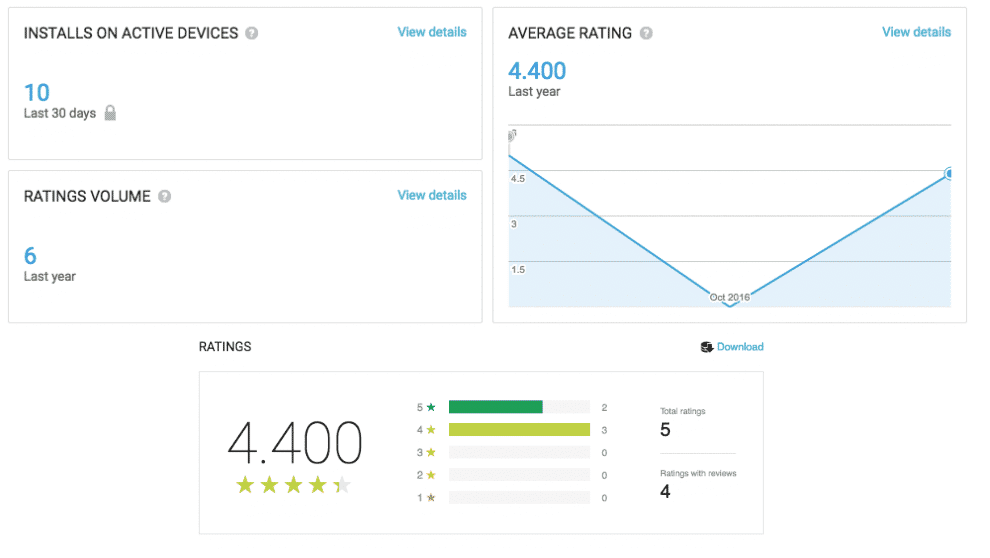
También puedes ver cómo ha valorado la gente tu aplicación.
Puedes ver cuándo se añadieron las valoraciones y cuáles eran.
ACTIVIDAD 1: DIVULGACIÓN ENTRE LOS USUARIOS
Establecer objetivos y estrategias de divulgación
- Enumera 2-3 objetivos de usuario para tu aplicación o negocio.
- Elija una o dos estrategias de difusión y pruébelas.
ACTIVIDAD 2: OBTÉN FEEDBACK
Obtención de comentarios - varios días
Obtén opiniones de los usuarios sobre tus estrategias de marketing
- Aplicar una estrategia de divulgación entre los usuarios
- Hacer a los usuarios algunas preguntas sobre la estrategia.
- Ajuste su plan de divulgación en función de la información recibida.
REVISIÓN DE TÉRMINOS CLAVE
- Marketing - el proceso de dar a conocer su empresa y conseguir que utilicen su producto
- Estrategia - cómo conseguirá que los usuarios prueben su aplicación para alcanzar sus objetivos
- Métricas - si su estrategia funciona o no
REFLEXIÓN
Enhorabuena, ¡ya tienes un plan de captación de usuarios! Repasemos lo que has hecho:
- Establezca sus objetivos de divulgación.
- Crear estrategias para alcanzar tus objetivos.
- Encontrar una forma de seguir y evaluar tus progresos.
Recuerde que su plan de difusión puede cambiar a medida que cambien otros factores, como su producto (o sus características), la percepción de los usuarios o incluso los presupuestos. Depende de ti ser flexible y modificar tus planes lo mejor que puedas.